A walkway gains its keep when it feels natural to utilize. It overviews the early morning thrill to the vehicle, joins the front stoop to the pathway, and sets a border youngsters can comprehend without being informed. For families with little feet and paws moving, interlacing pavers offer a mix of security, sturdiness, and easy maintenance that put concrete and loose crushed rock battle to match. Set up well, they develop a steady, slide resistant surface with a forgiving texture and trusted grip, also when wet. They additionally permit future adjustments without jackhammers, which comes in handy when a downspout or garden plan changes.
I have constructed and dealt with these paths in climates that turn from ice to warmth. The exact same options that make a pathway hold up under wagons, mobility scooters, and rainstorms are the ones that keep it risk-free. The details issue: the base under the pavers, the joints between them, the edges that keep whatever locked, and the way water leaves the scene. What adheres to pulls those information right into a useful plan that stabilizes efficiency, family life, and curb appeal.
Why interlocking pavers win for household walkways
Interlocking pavers excel for pathways since they disperse weight throughout lots of small units. Each device can relocate a fraction without the whole surface cracking. If a tree origin raises one place or a freeze-thaw cycle nudges an edge, the surface area telegraphs a minor ripple you can repair by resetting a handful of items. A poured slab would certainly fracture. Block set in sand can change as well, yet modern-day concrete pavers and well-graded bases maintain activity to a minimum when you install them correctly.
A safety edge mosts likely to pavers as well. The textured face produces rubbing underfoot. Numerous products lug slip resistance scores, and those with tumbled or shot-blasted finishes hold much better than shiny ones. A child running in socks after a lawn sprinkler session has even more margin for error on a lightly textured path than on smooth concrete. Canines taking an edge at rate make less unintended slides.
From a style point ofview, interlacing pavers support visual hints that aid children and family pets comprehend limits. A different shade band along the side claims stay inside the path. A mild curve that tightens up near a road going across nudges movement to decrease. Little signals such as this decrease the requirement for consistent reminders.
Pavers additionally ease repair work and adjustment. If an energy line needs work, you can lift an area and reinstall it. If a toddler years later becomes a teen with a skateboard, you can add a border restriction or adjust a quality to smooth a dip. The surface is a system, not a monolith.
If you are likewise preparing Driveway Paving Installment, the logic is comparable, only the loads and base depths expand. Families frequently take on sidewalk and driveway with each other to maintain material tone and pattern consistent. Also if the driveway comes later on, selecting a paver line that uses numerous dimensions and textures keeps your alternatives open.
Safety starts below the surface
Most walkway troubles begin underfoot, not on top. A household course lives through water, web traffic, and seasonal movement. The base needs to handle all three.
The soil informs you how deep to go. Clay swells and contracts with moisture, so it requires more excavation and a thicker base than sandy loam. As a standard, I aim for 6 to 8 inches of compressed, open graded stone under a family members walkway, plus the paver density itself. In regions with deep frost or hefty clay, that can climb to 10 inches. You hardly ever are sorry for going thicker on the base for a path that will see infant strollers, wheelbarrows, and the occasional distribution dolly.
Use smashed stone designed for compaction. I favor a two-layer technique with 4 to 6 inches of three-quarter inch tidy stone for drain, covered with 1 to 2 inches of thick graded accumulation, then a thin bed linens layer. In wetter lawns or where animals often utilize the course, moving even more thin down and out with open rated rock helps joints completely dry faster and keeps the surface clean.
Compaction is nonnegotiable. Place stone in 2 to 3 inch lifts and small each layer until it stops relocating under the plate compactor. If you depend on the base and your heel sinks, keep compacting. Your future self will certainly thank you when the plaything wagon does not rattle and the scooter does not capture on a reduced corner. Side restraint, mounted snug versus the pavers and increased right into the base, quits the interlock from loosening up over time.
Set the course to shed water. A really mild cross incline, regarding 2 percent, suffices to get water off the surface area without feeling canted underfoot. Aim the slope far from foundations and play areas. Where drainage could sheet across a driveway or patio, include a tiny grade break or a strip of absorptive pavers to intercept water.
Choosing pavers with kids and animals in mind
Textures, sizes, and colors all feed into security and livability. A light, sandy surface area looks bright yet reveals dust from sloppy paws. A charcoal course hides discolorations but runs hotter in direct sun. I suggest mid tones for family pathways, often a blend that consists of cozy grays or muted browns. They camouflage dirt, dropped warmth sensibly, and suit typical trims and stonework.
Surface appearance matters greater than advertising names. Run your fingers over examples. If it feels like great sandpaper, you will obtain trustworthy grip. If it seems like a plate, seek an extra responsive alternative. Rolled pavers, which have actually softened sides, reduce catch points for little shoes and are forgiving when a young child journeys. Avoid deeply embossed or synthetic slate surfaces that can merge small amounts of water in their texture and become slick when algae finds them in shade.
Size and pattern affect both activity and strollers. Huge format pieces develop fewer joints and can look sophisticated, yet they are much less flexible to install on a small walkway that needs contours and tight edges. A mix of 3 sizes, commonly in the 4 by 8 to 8 by 12 inch variety, produces a steady interlock and a polished appearance without complicated cutting. For steep methods or recognized running areas along a yard, herringbone patterns stand up to change and provide excellent grip. On mild contours, running bond with a border reviews simple and clean.
Mind the joint voids. A regular void around 1/16 to 1/8 inch, filled with polymeric joint sand, secures the system and keeps grit from celebration. Family pets track much less aggregate into your home when the joints are jam-packed limited. Smaller paws also do not squeeze between devices when gaps are even. Stay clear of broad spacers suggested for rustic styles unless you prepare regular sweeping and occasional top ups.
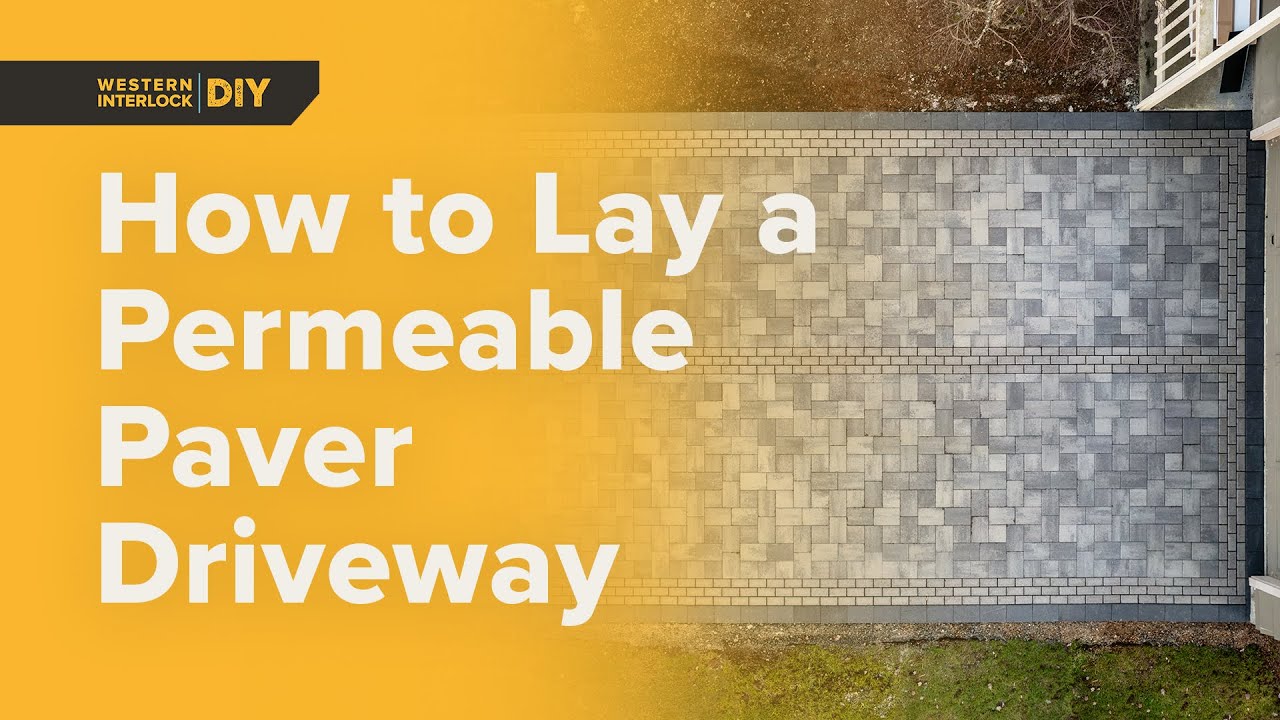
If you anticipate frequent puddles from sprinklers or heavy dew, think about a permeable paver system. The pavers look the very same from the top, yet the joints are broader and loaded with clean chip rock that consumes alcohol water rapidly. Children can run through without kicking up spray or carrying grit onto patios. For shade-dense websites, the improved drying assists maintain algae from obtaining a foothold.
The kid's-eye sight: presence, sides, and cues
A sidewalk functions as an aesthetic overview for young minds still learning policies. Great design uses that to your advantage.
Width establishes the tone. A 36 inch path satisfies minimums for a single person, but it squeezes when you include a baby stroller or a youngster strolling hand in hand with a parent. I establish family members https://garrettcmys380.image-perth.org/the-process-of-paving-installment-from-planning-to-completion-in-the-bay-location pathways at 42 to 48 inches for front approaches, and 48 to 60 inches for main yard routes that see wagons or side-by-side traveling. These sizes minimize shoulder cleaning and maintain children from stepping off into beds where mulch can be slick.

Curves soothe movement. A straight shot from the door to the street welcomes sprints. A soft S-curve or a gentle bend that flows around a planting bed slows down the pace without feeling required. Maintain the within radius wide enough so mobility scooter wheels track pleasantly. Tight S-curves look charming theoretically and annoy in use.
Borders assist brains. An edge program in a different, not jarring, shade informs a youngster this is the path. It likewise aesthetically tightens the area when required. Near a driveway or road, a thicker border band and a different laying pattern signal a shift. If you are coordinating with Driveway Paving Setup, echoing the boundary color on both surface areas maintains view lines clean and includes a subtle security cue.
Lighting must reveal, not dazzle. Low, cozy components that wash the surface area from the side decrease shadows and help kids judge actions. Stay clear of eye-level sparkles that blind tiny walkers. For family pets, consistent ambient light lowers nervous stops. Solar stake lights work in a pinch, yet hardwired or low-voltage systems supply more even light and last with winter.
Dogs, paws, and the mysteries they bring inside
Pets deal with sidewalks as patrol routes. They likewise introduce surface testers you did not employ. A couple of layout choices temper the mess and maintain paws healthy.
Heat retention shocks several owners. Dark pavers cook completely sunlight. If your dog takes lunchtime laps, examination samples after an hour of sun. Tool grays and tans stay much cooler, often 10 to 20 degrees Fahrenheit less than deep charcoal in mid-summer. In little urban lawns with mirrored heat, this difference matters to paw pads.
Joint sand is the 2nd family pet pain factor. Conventional sand moves under energised zoomies and winds up on wood floors. Polymeric joint sand, misted to establish, withstands washout and claw flicks. It additionally inhibits seed germination in joints, which minimizes the tiny burrs and foxtails that hitch rides indoors.
Rinse-ability counts. Tubes and paw baths maintain odors in check. Sloping the walkway to a planted strip or a gravel drainpipe keeps rinse water from pooling. Stay clear of strong chemical cleansers around pet dogs. Moderate meal soap and water manage typical organic spots from paws and wildlife. If a path collects algae in a shaded section, a watered down oxygenated cleaner scrubs it off without destructive pavers or hurting plantings.
As for digging, side restriction secured right into the base maintains floor tiles from raising if a curious nose finds a corner. An increased bed or low rock curb along the course signals an obstacle to the majority of canines far better than a flush edge right into mulch. Where a canine favors a particular shortcut, formalize it with a little spur path as opposed to dealing with nature.
Step-by-step, the family-safe way
A pathway lives or dies by preparation. The complying with field-proven sequence keeps the focus on safety, drain, and longevity.
- Map the route with a pipe or noting paint, test size with a baby stroller or wagon, and change curves up until strolling really feels natural. Excavate to intended deepness, including base and paver thickness, then include 2 extra inches at the edges to accommodate restraint. Install and portable open rated base in lifts, shaping cross incline and last grade, after that screed a thin, even bed linen layer. Lay pavers in your chosen pattern, keeping voids consistent, and set side restraint snugly with spikes into the base. Compact the field with a protective floor covering, sweep in polymeric joint sand, haze to establish, and safeguard from rain per producer guidance.
Expect a simple household sidewalk of 40 to 60 feet to take a small crew 2 days when products get on website, more if website access is tight or tree roots complicate excavation. DIYers with rental tools and an assistant typically stretch that to two weekend breaks, particularly if the old path requires removal.
Accessibility, infant strollers, and aging in place
A family members pleasant path expands with its individuals. Tiny adjustments throughout Walkway Paving Installment make it less complicated for grandparents, visiting close friends, and shaky toddlers.
Target a mild slope. Anything steeper than 1 inch of surge per foot gets tiring for small legs and makes infant stroller braking challenging. Where terrain compels a climb, damage it into brief keep up landings that seem like all-natural stops briefly near growings or benches. Maintain slopes uniform. Quantum leaps in pitch trip shoes and wheels alike.
Transitions issue. The joint between sidewalk and threshold or driveway should be flush or include a beveled transition strip. High heels and infant stroller wheels both catch on quarter inch lips. A cautious roll of bed linens layer at those joints lets you split the distinction between 2 surface areas without telegraphing a bump.
Avoid journey lines. Keep cuts clean and interlock patterns continuous throughout the path. Avoid placing really small cut items along the strolling line. Those bits work loose under repeated website traffic. Much better to move the pattern somewhat at the border and maintain full devices in the center.
Handrails are generally unnecessary on mild pathways, but if you have steps, keep treads deep and risers also. For families that expect aging in position or frequent baby stroller use, working a no-step loop right into the format saves day-to-day effort.
What climate will certainly do, and just how to stay ahead of it
Cold, warm, and water all leave their mark with time. A solid base and tight joints bring a lot of the lots, however habits and small choices assist the path age well.
In freeze-thaw areas, avoid salt-heavy deicers on pavers. Calcium magnesium acetate is gentler on concrete and paw pads. Sand for grip still functions, though it requires sweeping after tornados. Plastic shovels or rubber-edged blades clear snow without messing up. If you do nick the surface area, the first hot-cold cycle will mix small marks into the texture.
Where summertimes run warm and humid, algae and mildew can tint questionable sections. Air movement and sunlight are your first defense. Cut groundcover that overhangs the sides and clears dew gradually. An once or twice yearly laundry with a mild cleaner lifts film before it comes to be sludge. Sealers are optional. If you secure, choose breathable products with slip resistance ingredients and be prepared to reapply every few years. Most families do fine without them, particularly when selecting naturally slide resistant appearances from the start.
Heavy rains expose rating mistakes. If water sheets along the path and pools at a nadir, consider a shallow swale running along with or a little cross incline change to move it to a drain. When installed on open rated base, paver systems can take in short rainstorms. Longer events still require a departure plan.
Budgets, timelines, and the questions to ask your installer
Costs differ by area, material choice, gain access to, and website problems, however actual ranges assist. For a family members sidewalk using interlocking pavers with appropriate base work, I see set up costs generally land between 25 and 45 dollars per square foot in lots of markets, often higher in metropolitan cores or where disposal and access include labor. Complicated curves, lights, or permeable systems contribute to that. DIY product prices usually drop between 8 and 18 dollars per square foot for quality pavers, base, joint sand, and restraint, prior to device rentals.
Timelines tighten up when lead times on pavers stretch. Lots of manufacturers use prominent shades on quick ship, while unique blends can take weeks. Coordinate with any kind of Driveway Paving Installment to line up shipments and prevent partial pallets sticking around in the backyard. A great installer will certainly present the site to keep day-to-day live moving, positioning ramps over trenches and tidying up dirt each evening.
Before you authorize, ask about base kind and deepness, compaction devices, side restriction method, polymeric sand brand, and water management. Clear solutions signal experience. Vague recommendations to doing it like always usually mask shortcuts. Ask for an example location or a mockup with your selected paver and joint color to confirm the look in your light.
Small details that repay daily
A few choices look small and make a walkway simpler to live with.
- A moderate bevel where the walkway meets yard keeps mower wheels from heading the edge and sheds trimmings far from joints. A wider apron at the driveway crossing gives kids room to collect yourself and signifies a threshold. Altering pattern within the apron strengthens caution. A two training course border, with the internal training course soldiered and the outer on side restraint, toughens high web traffic sides near corners where carts and mobility scooters shave tight. A hose pipe bib or quick-connect near the path urges quick rinses after mud sessions and prior to visitors arrive. A put area for a bench or a rock invites a time out and keeps bags and knapsacks off the walking line.
Common challenges and how to stay clear of them
Most callbacks I see are avoidable. The initial is poor excavation, especially at edges. Attempting to conserve time by skimping on base depth near growing beds indicates the side clears up and the boundary tilts. Dig the very same depth clear to the outside of your restraint and spike into stone, not soil.
The second is uneven bed linens. Screeding a sand or chip rock layer seems easy up until tiny bulges or soft spots telegram through to the surface. Use rails and a straightedge, and do not stroll on the screeded layer. Lay pavers from the finished location backwards so you are not stepping into freshly prepared zones.
The 3rd is ignoring water paths. Downspouts that clear near a walkway edge erode joints and invite ice. Prolong leaders under the course via sleeves, or redirect them to grown locations that can take in the circulation. Where a walkway meets a driveway, a slight dip or narrow strip of absorptive pavers can interrupt sheet flow and lug water to a risk-free exit.
The fourth is allowing weeds meet hunger. Joints do not grow weeds by themselves. Seeds go down from above and clear up into dirty voids. Keep borders mulched effectively, sweep grit off the surface area, and strike leaves out of edges prior to they break down. Polymeric sand shuts the invitation, and straightforward housekeeping keeps the visitor list short.
Coordinating with the rest of the yard
A walkway looks ideal when it feels secured to your home and the landscape. Color mirrors from the roofing, trim, or stone veneer link the path to the design. Plantings soften the edges. Low, difficult groundcovers like sturdy thyme or ajuga endure small feet and form a living buffer that dissuades cutting across edges. Taller textures even more from the edge create depth without crowding the walking line.
If the course runs to a play area, offer the last few steps a larger stance and even more light. A separate, small pad for parking scooters or bikes clears the major route and conserves your flower beds. For back doors with constant web traffic, add a floor covering recess at the threshold. Dropping the paver area a fifty percent inch where the doormat sits makes the floor covering flush with the surface area, more secure for shuffling feet and simpler for strollers.
When the sidewalk meets a driveway, line up joints or boundaries so both surface areas do not clash. Even if materials differ, a shared rhythm soothes the eye. This is where planning your Walkway Paving Installment alongside any kind of future driveway upgrades makes sense. Leaving a clean edge or a matching boundary color establishes you up for an elegant link later.
A short situation from the field
A family with 2 pets and three young youngsters requested for a front walk that can manage mobility scooters, winter months salt from city rakes, and damp paws without turning slick. The existing put course had actually heaved and broken, leaving a quarter inch lip at the step that captured every baby stroller. We widened the new route to 48 inches, moved it right into a mild contour to reduce traffic near the road, and added a two shade border that echoed their porch trim.
Under the surface area, we removed 10 inches to get past clay, then developed back with open graded stone and a slim chip bedding layer. We selected a mid gray toppled paver with a light texture and loaded joints with polymeric sand. A low-voltage light washed the course from the yard side. The pet dogs tested it the very first evening after a summer storm. Paws grasped, kids ran laps, and the parents saw the one point they had actually not planned for: much less noise. The light structure damped the clatter of scooters on the old concrete. Little win, every morning.
The payoff
A well built interlocking walkway does not require attention. It discolors into the pattern of daily life, constant under spilled juice, wild play, and the parade of seasons. Security appears as predictability. Footwear do not catch, paws do not slip, wheels roll efficiently, and water actions along without puddling. Maintenance ends up being ordinary: a periodic sweep, a rinse, an examine boundaries throughout springtime. If something does shift, repair service is medical instead of drastic.
Families checking out the broader picture, including Driveway Paving Installment down the line, locate that going through the details as soon as pays twice. By picking pavers that fit both applications, keeping qualities and borders regular, and structure bases that respect soil and water, you develop a home ground that works for everyone that shares it, from the smallest feet to the wagging tails.